

The Anatomy of Sprockets: Understanding Their Design and Function
The Evolution of Sprocket Technology
Sprockets have a long and storied history in mechanical engineering, originating during the Industrial Revolution when they were first deployed in various machines to translate rotary motion. The early designs were rudimentary, crafted primarily from wood and later transitioned to metals like cast iron. Since their inception, the technology has evolved significantly. Engineering advancements have introduced sophisticated manufacturing processes such as CNC machining, allowing for tighter tolerances and more complex geometries. Today, modern sprockets can be tailored from various materials including high-strength alloys, plastics, and composites, designed to meet the rigorous demands of contemporary applications. Innovations in material science and manufacturing techniques continue to reshape the functional capacities of sprockets, enhancing their durability, weight, and ability to withstand various environmental conditions.
Key Components: What Every Sprocket is Made Of
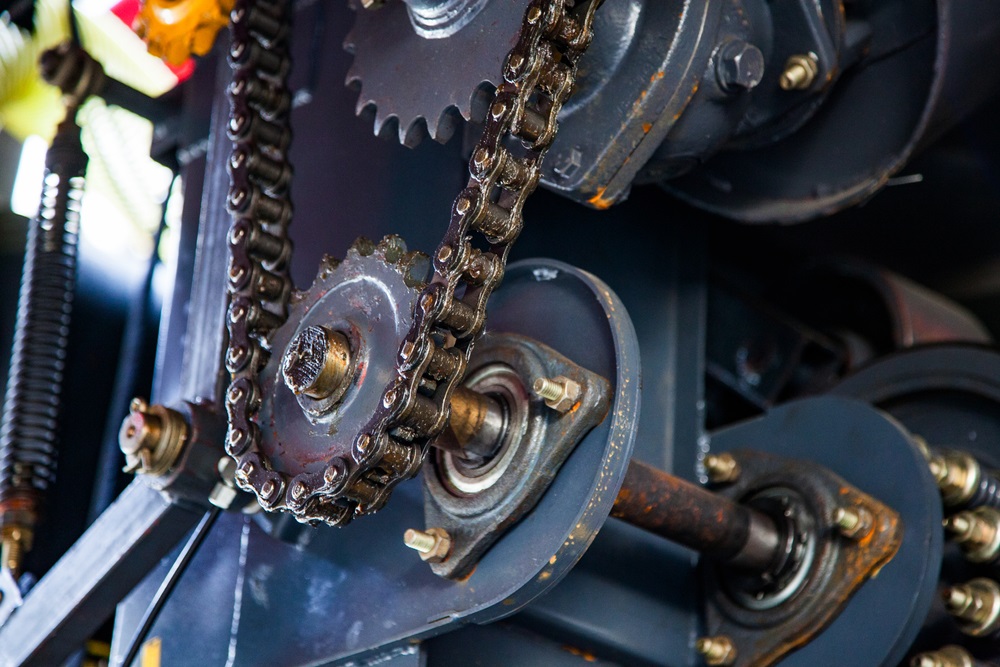
The fundamental components of a sprocket involve teeth, a hub, and sometimes, a bore. The teeth’s design such as their shape, count, and pitch plays a critical role in how effectively a sprocket engages with its corresponding chain or belt. Typically, teeth are designed in either a standard or custom fashion, often featuring rounded or square profiles that can optimize grip and reduce wear during operation. The hub serves as the central shaft that mounts onto motors or other power sources, and it can vary in design from simple drilled holes to complex keyways and splines. Understanding these components is essential for engineers and technicians tasked with selecting the right sprocket for a specific application, as each feature directly impacts performance, efficiency, and longevity.
How Sprocket Design Impacts Performance Efficiency
The design of a sprocket plays a critical role in determining its efficiency within any machinery system, particularly when considering sprockets for industrial applications. Elements such as the number of teeth directly influence torque requirements, which in turn affect motor load and overall energy usage. For example, a sprocket with fewer teeth operating under a given load places greater demand on the motor, whereas one with more teeth helps distribute the load more evenly. In addition, the choice of material and the quality of the surface finish can greatly impact friction levels and energy loss during operation. Well-engineered sprockets that reduce unnecessary movement between the chain or belt enhance transmission efficiency and minimize backlash, an essential factor in high-speed environments. In performance-driven industries, these design details not only improve operational speed but also play a significant role in lowering maintenance needs and long-term operating costs.
Sprockets in Action: Real-World Applications Across Industries
Manufacturing Marvels: Sprockets in Production Lines
In the manufacturing industry, sprockets are critical for the smooth operation of automated production lines. They are often employed in conveyor systems where they facilitate the movement of materials from one stage of production to another. For instance, the automotive industry relies on sprockets to manage the complex interactions of various assembly line procedures, ensuring that parts move seamlessly through to assembly. As assembly processes become more intricate, the demand for precision-driven sprocket systems increases, thereby raising the need for custom-engineered solutions that can handle variable loads and speeds without compromising on reliability. Additionally, the integration of sensors within the sprocket systems allows for real-time monitoring of performance metrics, identifying issues before they become problematic, thus ensuring uninterrupted production.
Transportation Innovations: How Sprockets Drive Motion
Sprockets play a fundamental role in various transportation systems, from bicycles to motorcycles and even in standby generators in heavy machinery. For example, in the case of bicycles, the interplay between the sprockets and chain directly influences gear ratios that affect acceleration, speed, and climbing ability. Moving beyond personal transport, electric vehicles increasingly use sprockets in their motors to manage energy efficiently across propulsion systems. Innovation in transportation often comes from leveraging new technologies in sprocket design, such as the introduction of lightweight materials that reduce overall vehicle weight or the development of smarter designs that enhance aerodynamics. As electric and hybrid vehicles dominate the market, the evolution of sprockets in these applications becomes more crucial, driving advancements that promote better mileage and lower energy consumption.
Case Studies: Sprocket Success Stories from Diverse Sectors
Various case studies exemplify the efficacy of sprockets in diverse applications. For instance, a leading food processing company optimized its conveyor system by switching to a custom sprocket design that enhanced the throughput of production without increasing energy costs. The redesign included a more extensive tooth profile and strategically placed wear-resistant coatings, extending the life of the sprocket while maintaining peak performance. In another example, a logistics firm redesigned its sorting apparatus by implementing advanced sprocket systems integrated with IoT devices to improve tracking of packages. This not only enhanced operational efficiency but also reduced maintenance downtime through predictive monitoring. Such success stories reveal the critical role that custom sprocket applications can have in modern industry, showcasing the potential for innovation when challenges are met with tailored engineering solutions.
Choosing the Right Sprocket: Factors That Make a Difference
Material Matters: Selecting the Best Sprocket for Your Needs
Choosing the right material for a sprocket is vital for its functionality and longevity. Common materials include steel, aluminum, and plastic, each offering unique advantages and disadvantages. Steel sprockets, for example, are renowned for their strength and durability, making them ideal for high-load applications. Alternatively, aluminum sprockets are much lighter, which can benefit applications requiring quick acceleration or frequent stops. Plastic sprockets, often used in maintenance-free environments, provide excellent resistance to corrosion and reduce noise levels significantly. A deeper understanding of the operational environment such as exposure to chemicals, humidity, temperatures, and load types will guide the correct choice of materials, as the wrong selection can lead to increased wear and premature failure of the sprocket.
Size & Tooth Count: How to Match Sprockets with Chains
The size and tooth count of sprockets must be precisely matched with their corresponding chains to ensure optimal performance. Each chain type has a specific tooth profile and spacing that must correspond to the sprocket; mismatches can result in slippage, uneven wear, and inefficient power transfer. The pitch of the chain and the sprocket must be identical, typically expressed in inches or millimeters, and if the number of teeth is too high for a given chain’s capacity, it can lead to excessive strain on both the sprocket and chain. Additionally, applications that require variable speed operations must consider gear ratios in sprocket size selection. Thus, selecting the right combination not only ensures functionality but also extends the lifespan of both components.
Maintenance Tips: Ensuring Longevity and Peak Performance
Regular maintenance of sprockets is crucial for ensuring their longevity and continued performance. This can involve periodic inspections to check for wear and tear, aligning the sprocket with the chain to avoid unnecessary friction, and replacing any components at the first sign of failure. Lubrication is another critical aspect; the correct type and amount can minimize wear and maximize efficiency, while also reducing noise levels. Cleanliness is equally important, as dust and debris can greatly impact performance by increasing friction and leading to premature wear. By incorporating a structured maintenance plan that includes cleaning, lubrication, and checks for alignment and wear, operators can significantly enhance the operational lifespan and reliability of their sprocket systems.
The Future of Sprockets: Trends and Innovations on the Horizon
Smart Sprockets: The Role of Technology in Evolution
The next frontier in sprocket technology is the integration of smart solutions into their design and operation. Smart sprockets incorporate sensors that can monitor performance indicators like temperature, load, and wear in real-time. This data aids in predictive maintenance, allowing businesses to schedule repairs before a failure occurs, thereby reducing downtime and costs associated with unplanned maintenance. Industries are increasingly recognizing the importance of data analytics, leveraging the information collected from smart sprockets for continuous improvement. The advent of Industry 4.0 has seen traditional machinery evolve into connected systems, where sprockets serve as vital nodes in larger smart operations, driving efficiency and productivity to new heights.
Sustainability in Design: Eco-Friendly Sprocket Options
As sustainability becomes a paramount concern in industrial design, sprocket manufacturing is no exception. Innovations are emerging that prioritize eco-friendly materials, such as biodegradable composites and recycled metals, which reduce the environmental footprint of sprocket production. Manufacturers are also exploring energy-efficient production methods that minimize waste and lower carbon emissions. Beyond their production, the design of sprockets is being reevaluated to enhance product lifecycle and recyclability. Companies that embrace these sustainable practices not only align with global environmental standards but stand to gain a competitive edge in a market increasingly influenced by eco-consciousness.
Predictive Maintenance: The Next Step in Sprocket Management
The evolution of predictive maintenance represents one of the most transformative trends in sprocket and machinery management. By employing advanced analytics and machine learning algorithms on the data collected from smart sprockets, industries are harnessing the power of artificial intelligence to predict failures before they happen. This shift from reactive to proactive maintenance can lead to significant cost savings and improved operational efficiency. The integration of software solutions that manage this data stream enhances not only maintenance schedules but also optimizes the entire workflow. As industries continue to advance towards more automated and interconnected systems, the role of predictive maintenance in preserving the integrity of sprocket systems will be paramount, ensuring that machinery remains operational with minimal interruptions.
