

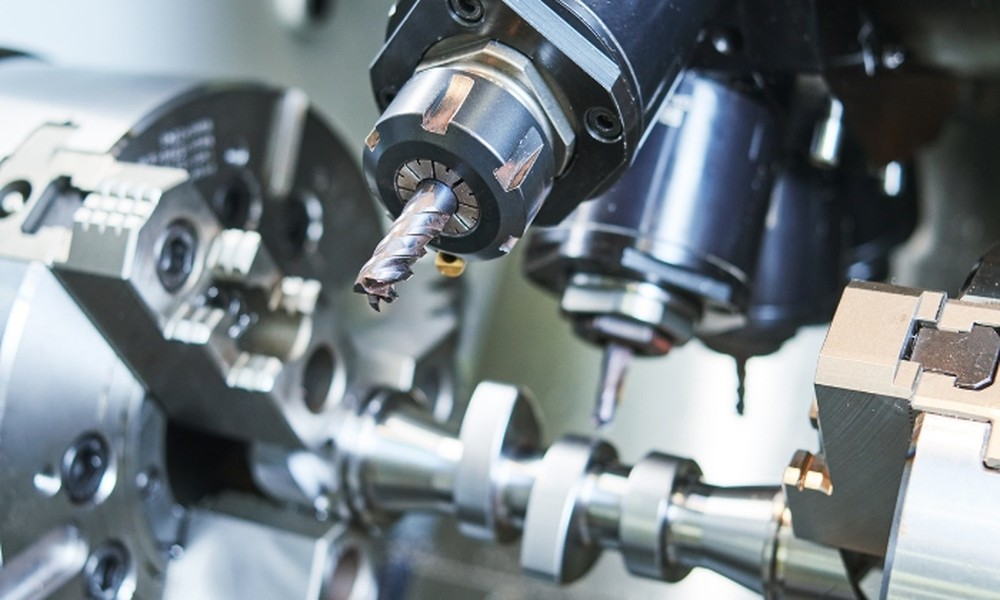
Modern production demands reliable output with minimal delay. Precision machining plays a key role in shaping parts with close limits while keeping steady quality. Smart control systems help reduce human effort while keeping results consistent across batches. Many industries depend on refined processes that reduce waste and improve timing, supported by Vietnam Precision Machining for dependable and accurate outcomes.
Smart Control System Integration
Advanced control units guide every movement with clear instructions that reduce errors. These systems track position changes in real time and adjust actions instantly. Consistent monitoring helps maintain tight limits even during long production runs. Operators can rely on system feedback to ensure each output meets required standards.
Faster Output Cycle Times
Improved system speed allows quicker transitions between stages without losing control. Machines complete repeated actions with high accuracy and reduced waiting time.
- Faster cycle timing improves overall production flow across various complex tasks
- Reduced idle time allows continuous output with fewer unwanted stoppages
- Improved repeat actions help maintain consistent quality during long operation hours
- Smart calibration supports stable output without frequent manual input changes
- Efficient process flow ensures smooth transitions between different production stages
Reduced Manual Process Dependence
Automation lowers the need for constant human handling in detailed tasks. This shift helps reduce fatigue-related mistakes and improves steady output quality. With fewer interruptions, operations continue smoothly without frequent adjustments. Vietnam Precision Machining also benefits from this shift by maintaining steady performance across tasks.
Consistent Quality Assurance Levels
Built-in checking methods confirm each step meets the required measurements. Continuous review ensures parts stay within expected limits without deviation. Stable operations help maintain uniformity across multiple units produced. This approach builds trust in output while reducing the need for repeated corrections.
Flexible Production Adaptability
Modern setups adjust quickly to different shapes and design requirements. This flexibility allows quick switching without major setup delays. Operators can handle varied tasks without reducing output reliability. As a result, production lines remain active while meeting changing demand needs.
Clear planning combined with advanced systems helps achieve steady results without delay. By reducing manual effort and improving system control, production becomes more predictable and efficient. Reliable methods ensure output remains consistent while meeting strict limits. Adopting modern solutions supports long-term growth and stable operations.
FAQ
What benefits does automation bring to precision-focused production systems today?
Automation improves speed, stability, and output consistency while reducing manual error chances.
Why is consistent accuracy important in modern production environments today?
Stable accuracy ensures reliable parts fit correctly without frequent rework or adjustments.
Can automated systems handle complex shapes without losing accuracy levels consistently?
Yes, advanced systems manage detailed forms while maintaining steady measurement control.
